
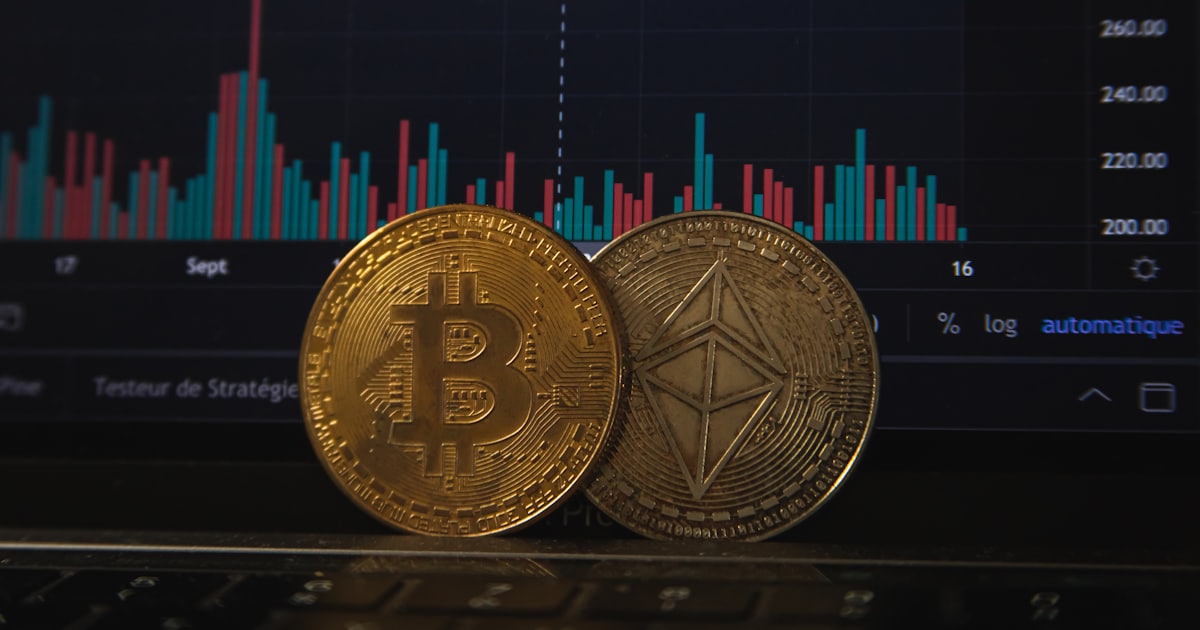
How to swap BTC to ETH without an account
A careful, non-custodial walkthrough — plus the fees, timing, and mistakes to avoid
Swapping Bitcoin for Ethereum sounds like it should require an exchange account, a verification process, and a leap of faith. It doesn't. With a non-custodial swap, your BTC goes straight from your wallet to the service and your ETH lands directly in a wallet you control — no account, no custody, no coins sitting on a platform you have to trust. This guide walks through it carefully, and just as importantly, tells you where people go wrong.
First, understand what's actually happening
When you swap BTC to ETH, three things occur in sequence:
- You send Bitcoin from your wallet to a one-time deposit address the service generates.
- The service converts it to Ethereum at the current market rate.
- It sends the ETH to the Ethereum address you provided.
At no point does anyone hold an "account balance" for you. Your funds are only ever in transit. That's the core appeal — and the reason double-checking your details matters so much, because there's no support desk that can reverse an on-chain mistake.
Before you begin: a two-minute checklist
- An Ethereum wallet you control, with its receiving address ready. ETH addresses start with
0xand are 42 characters long. - The recovery phrase for that wallet backed up on paper. If you can't recover the wallet, you can't recover the ETH.
- A rough idea of the market rate, so a bad quote is obvious. Check the live Bitcoin and Ethereum prices first.
- A few dollars of headroom for fees on the Bitcoin side.
Never paste an address that someone sent you "to receive on your behalf." The destination should always be your own wallet.
Step by step
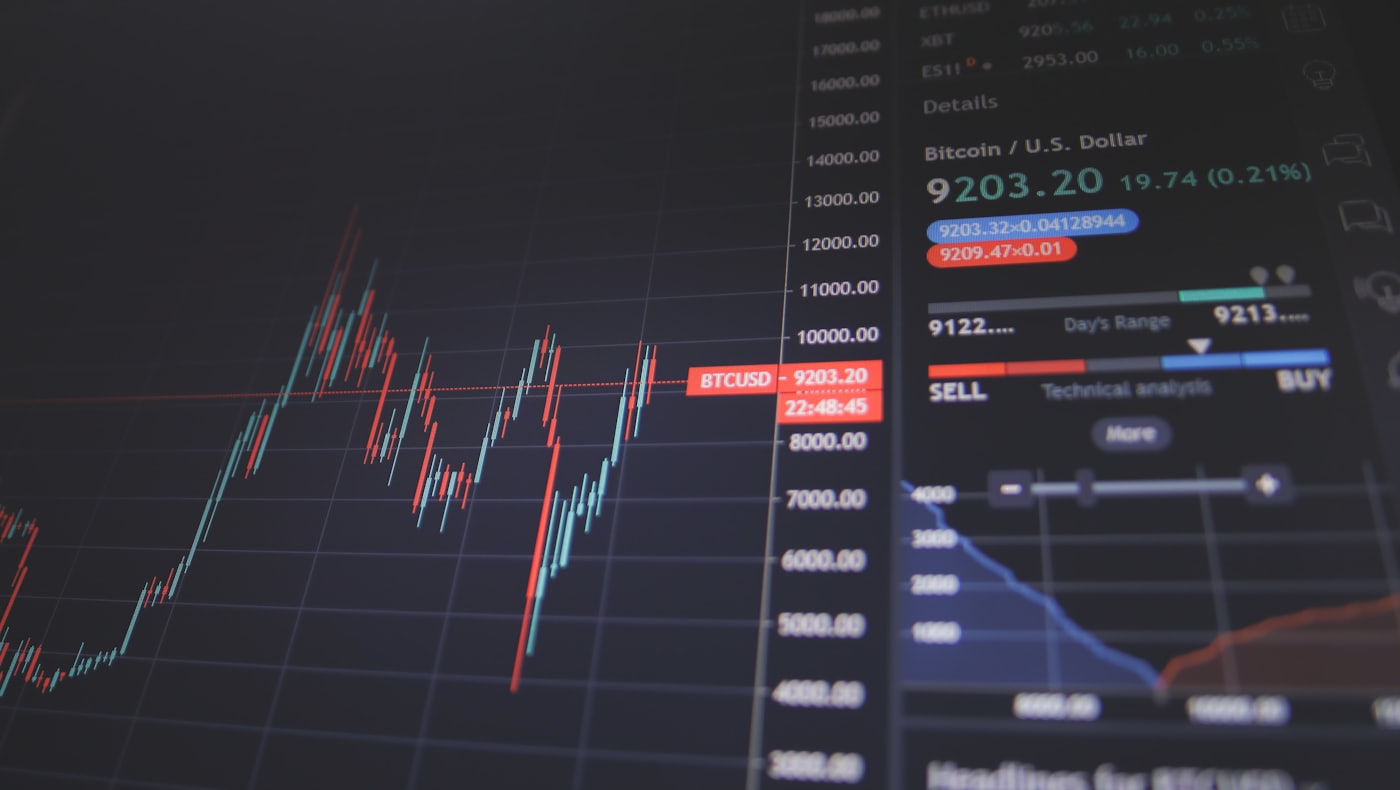
1. Open the swap form. On the swap page, set the "from" asset to Bitcoin and the "to" asset to Ethereum.
2. Enter an amount. As you type, you'll see an estimate of the ETH you'll receive, plus the minimum the pair accepts. Amounts below the minimum will be rejected, so if you're testing, respect that floor.
3. Choose your rate type. A floating rate follows the market until your deposit confirms — you might get slightly more or slightly less. A fixed rate locks the quote for a short window, trading a marginally worse price for certainty. For volatile moments, fixed removes the guesswork.
4. Paste your ETH address. Copy it from your wallet, paste it in, and then verify the first four and last four characters against your wallet. Clipboard-hijacking malware exists specifically to swap addresses at this step.
5. Send your BTC. You'll receive a Bitcoin deposit address. Send exactly the amount shown from your wallet. Send the full amount in one transaction — partial or repeated sends can complicate the order.
6. Wait for confirmations. Bitcoin transactions need network confirmations before the swap proceeds. Depending on the fee you paid and how busy the network is, that's usually 10 to 60 minutes. You can follow the whole thing on the track page, and Atex remembers your recent swaps in this browser under "My swaps."
Timing it to pay less
Two separate fees apply: the Bitcoin network fee to send your BTC, and Ethereum gas on the payout side (already reflected in your quote).
The Bitcoin fee is the one you control. When the network is congested, it can jump many times over; when it's quiet, it drops to cents. If your swap isn't urgent, glance at the live fee tiers on the swap page and send during a calm window — on a larger transfer, that timing alone can save real money. Choosing a "slow" fee is fine when you're not in a rush; it simply confirms a bit later.
A note on the rate you'll get
The estimate reflects live market pricing at that instant, aggregated across liquidity sources. Because markets move, a floating quote can drift slightly between the moment you start and the moment your Bitcoin actually confirms. That's normal and usually tiny. If even small drift bothers you, use the fixed-rate option. Either way, remember this is the market rate, not a promise — no honest service can guarantee a future price.
The mistakes that actually cost people money
- Wrong network on the destination. ETH must go to an Ethereum address. Sending to an exchange deposit tag, a different chain's address, or a contract you don't control can mean permanent loss. Confirm it's a standard
0xwallet address. - Not verifying the pasted address. Always check those first/last characters. This single habit defeats clipboard malware.
- Ignoring the minimum. Below-minimum deposits can get stuck or auto-refunded, wasting a network fee.
- Underpaying the Bitcoin fee during congestion. Too low, and your transaction can sit unconfirmed for hours. Match the fee to how busy the network is.
- Sending from a custodial account you don't fully control, then being surprised by that platform's own limits or delays. Non-custodial to non-custodial is the cleanest path.
Quick answers
Do I need to verify my identity? No. A non-custodial swap has no account and no sign-up.
How long does it take? Typically 10–60 minutes end to end, mostly waiting on Bitcoin confirmations.
Can I reverse it if I make a mistake? No — on-chain transfers are final. That's exactly why you verify the address and do a test send for large amounts.
Is my BTC held anywhere? Only momentarily, in transit during conversion. There's no ongoing balance on a platform.
The takeaway
A BTC-to-ETH swap is genuinely simple once you see the shape of it: send from your wallet, receive to your wallet, no account in between. The skill isn't technical — it's discipline. Verify the address, respect the minimum, time the Bitcoin fee, and send a test first when the stakes are high. Do that, and you can rebalance between the two biggest crypto networks in minutes, whenever you like. Ready? Start on the swap page.